








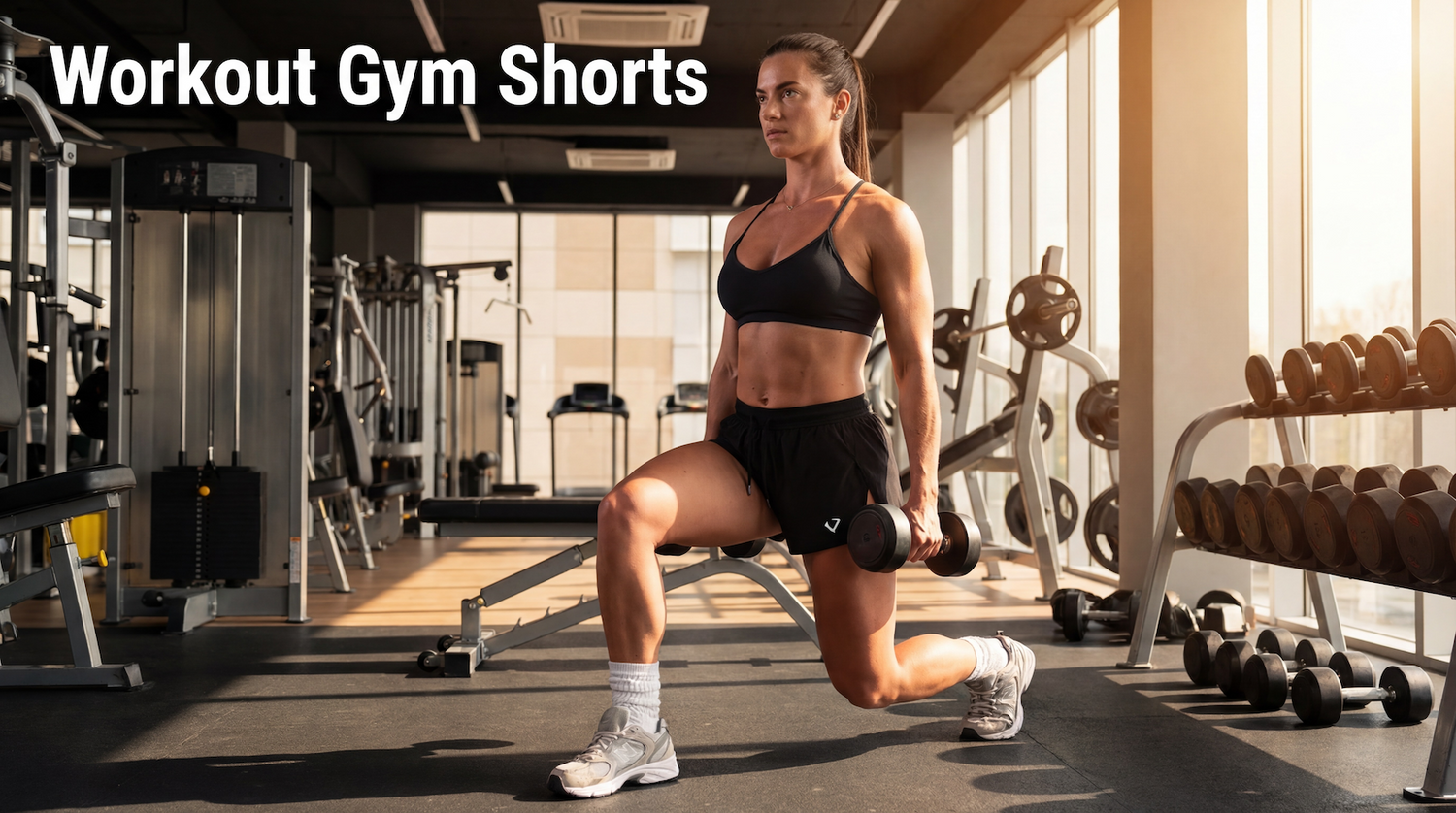
Workout gym shorts are one of the most personal pieces of fitness apparel someone can buy. They sit at the center of movement, performance, and confidence. Unlike leggings or oversized tops, gym shorts leave very little room to “hide,” which is exactly why people are so particular about how they fit, feel, and perform.
When someone searches for workout gym shorts, they’re rarely just browsing. They’re usually trying to solve a problem: shorts that ride up, roll down, dig in, go see-through, feel restrictive, or simply don’t make them feel good while training. This guide breaks down exactly what people look for in gym shorts — beyond trends — and how to choose a pair that actually works for real workouts.
Why Workout Gym Shorts Matter More Than People Expect
Gym shorts aren’t just about aesthetics. They’re functional equipment. They affect how freely your hips move, how confident you feel under gym lighting, how your body temperature is regulated, and even how focused you are during a workout.
Unlike leggings, shorts don’t have the same margin for error. There’s less fabric to compensate for poor stretch recovery, bad seam placement, or an unstable waistband. That’s why people tend to be far more loyal to gym shorts that “work” — once they find a good pair, they buy backups.
1. Fit Comes First: Secure Without Feeling Restrictive
Compression vs comfort
One of the most common considerations is how compressive the shorts feel. Some people want a hugged-in, supportive sensation that keeps everything locked in during heavy lifts. Others prefer a lighter, more relaxed feel for cardio, warm weather, or everyday wear.
The ideal balance is supportive stretch: fabric that holds its shape but moves freely with the body. Shorts that are too compressive can feel suffocating or restrict movement, while shorts that are too soft may lose structure once you start sweating.
Staying in place during movement
A recurring frustration among gym-goers is shorts that look great standing still, but fall apart once movement begins. The real test happens during squats, lunges, hip thrusts, sprinting, and walking.
- Does the waistband stay up or does it slide?
- Do the legs ride up with every step?
- Do you feel the need to adjust between sets?
If the answer to any of these is yes, the fit isn’t right — regardless of how good the shorts look in the mirror.
2. Fabric Performance: Breathable, Sweat-Wicking, and Squat-Proof
Fabric quality is one of the biggest differentiators between average gym shorts and great ones. People consistently search for terms like breathable workout shorts, moisture-wicking gym shorts, and squat-proof shorts because fabric determines how the shorts perform under stress.
Breathability and heat management
During intense workouts, fabric needs to release heat efficiently. Shorts that trap heat can quickly become uncomfortable, especially during high-rep training, cardio, or workouts in warm environments.
Breathable materials, mesh panels, or lighter-weight knits help regulate temperature without sacrificing support.
Opacity and confidence
Few things break confidence faster than worrying whether your shorts are see-through. “Sweat-proof” and “squat-proof” aren’t just marketing terms — they reflect a desire for trust.
Opacity depends on fabric density, color, and how the material behaves when stretched. A good pair of gym shorts should maintain coverage even under deep squats and bright lighting.
3. Waistband Design: The Unsung Hero
The waistband is arguably the most important structural element of gym shorts. A poorly designed waistband will roll, dig in, or slide down — no matter how good the rest of the shorts are.
High-rise vs mid-rise
High-rise waistbands are popular because they provide more coverage and a secure feel, especially during compound lifts. Mid-rise waistbands can feel more natural for shorter torsos or those who dislike too much compression around the stomach.
Contoured and V-waist designs
Some people prefer contoured or V-shaped waistbands because they visually enhance the waistline while still providing support. The key is that the waistband should follow the body’s natural shape, not fight against it.
4. Length & Coverage: Finding the Right Inseam
Inseam length is a deeply personal preference and depends on body type, training style, and comfort level.
- Short inseams: Maximize freedom of movement and confidence, but may ride up.
- Mid-thigh inseams: Balance coverage and mobility, often reducing chafing.
The best inseam is the one that lets you move naturally without constantly thinking about coverage.
5. Seam Placement & Glute Shaping
Modern gym shorts often use seams strategically to enhance shape. Curved seams, contour lines, and subtle shaping can create a lifted, sculpted look without compromising comfort.
Scrunch details
Scrunch seams are popular because they emphasize glute shape, but comfort matters. A well-executed scrunch should enhance — not irritate.
6. Practical Features: Pockets, Liners, and Versatility
Beyond fit and fabric, people appreciate gym shorts that fit into real life. Pockets are especially popular for walking, errands, and warm-ups. Liners add security for lower-coverage styles.
Featured Pick: A Lightweight Training Short That Moves With You

Gym Crush Shorts – Black
These shorts are ideal for anyone who values freedom of movement and breathability. The lightweight construction and built-in liner make them well-suited for high-energy training, cardio, and warm-weather workouts.
If you prefer gym shorts that feel athletic rather than overly compressive, this style aligns well with that preference.
View Product →Alternative Pick: Seamless Support for Lifting-Focused Training
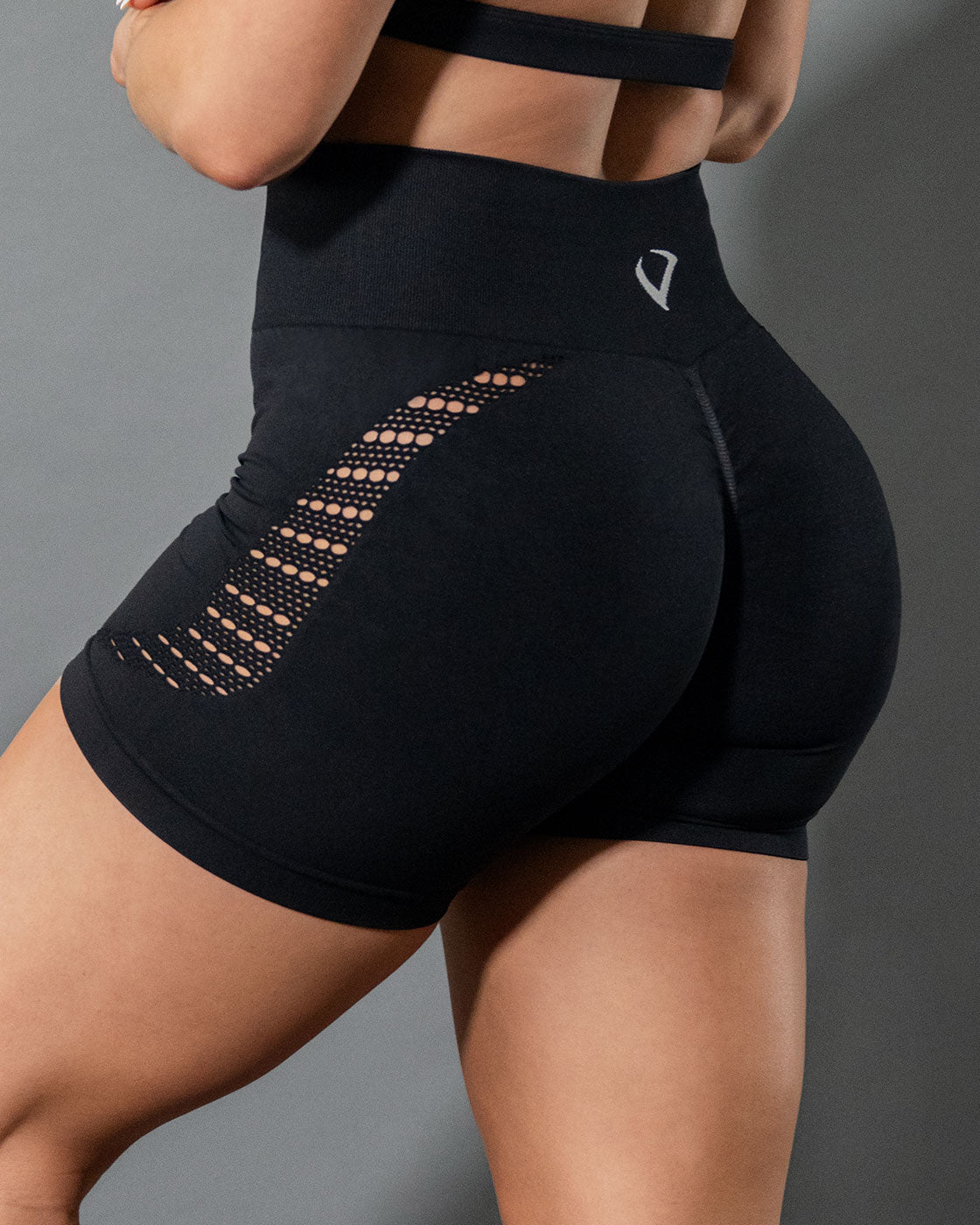
Synergy Black Seamless Shorts
For those who prefer a more sculpted, secure feel, seamless shorts provide consistent support throughout heavy lifts. This style is well-suited for squats, hip thrusts, and structured training sessions.
The seamless construction minimizes friction while offering a stable waistband that stays in place.
View Product →Final Thoughts: Choosing Gym Shorts That Actually Work
The best workout gym shorts aren’t defined by trends — they’re defined by how they perform when it matters. If a pair stays in place, feels comfortable, manages sweat, and makes you feel confident, it’s doing its job.
Rather than owning many average pairs, most people benefit from owning one or two great ones that match their training style. When gym shorts work, they fade into the background — and that’s exactly how it should be.

Leave a comment
All comments are moderated before being published.
This site is protected by hCaptcha and the hCaptcha Privacy Policy and Terms of Service apply.