
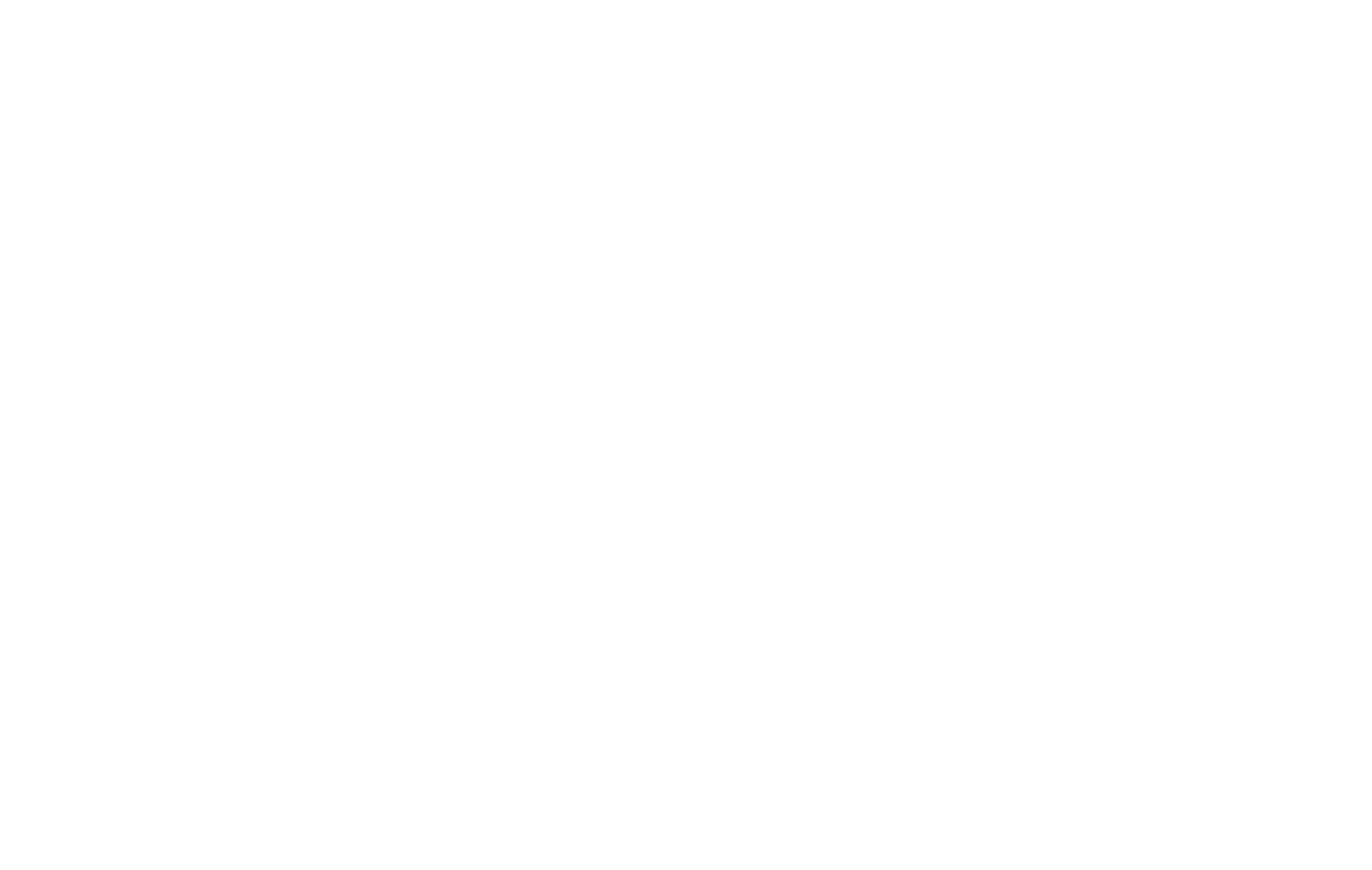


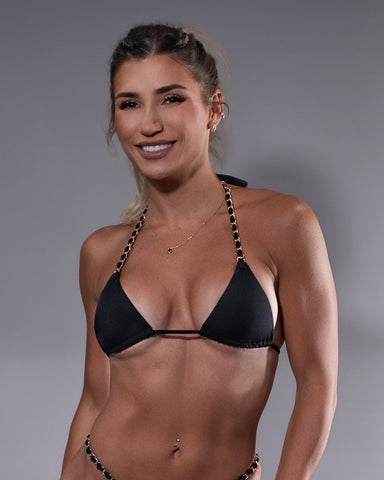






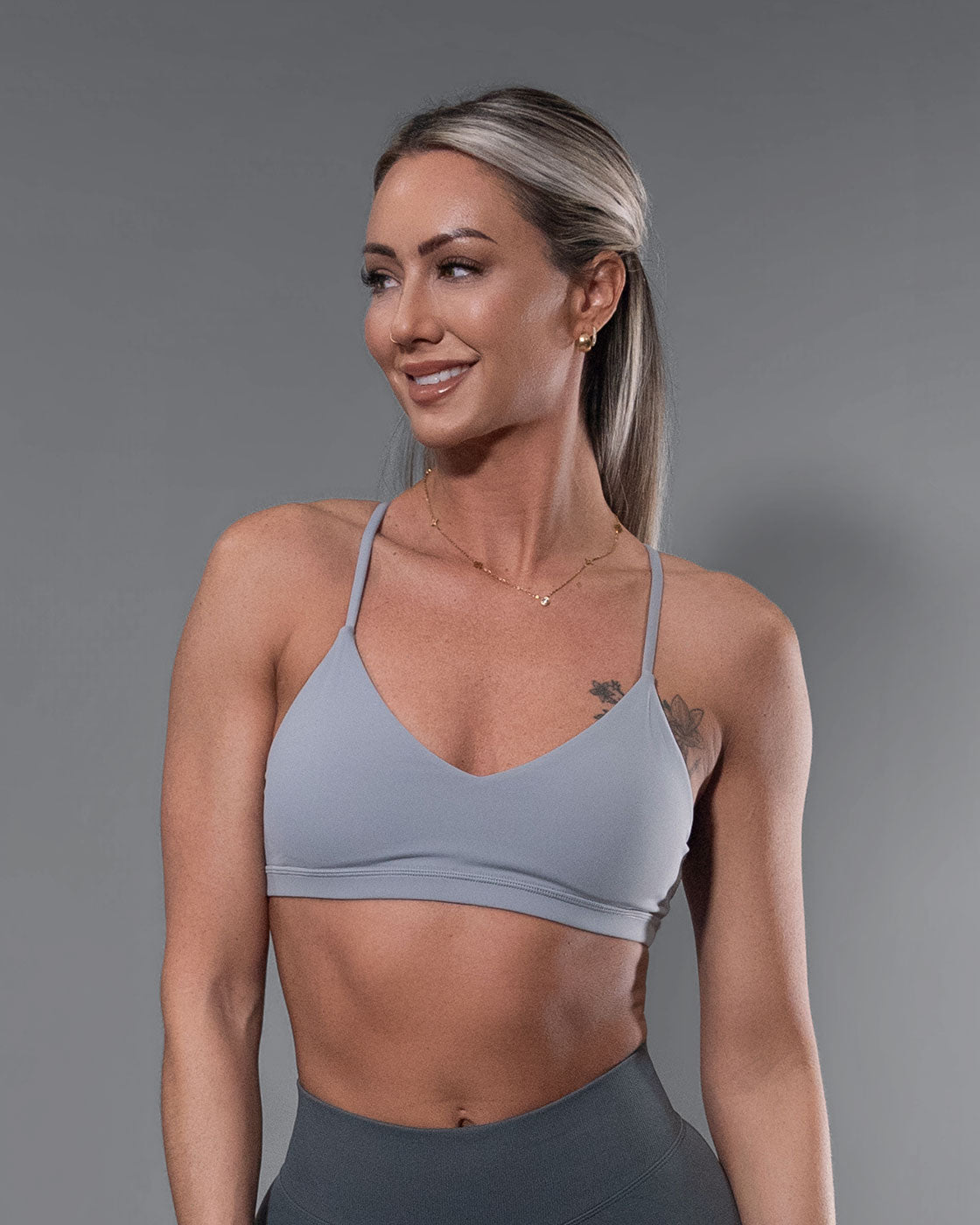
The right sports bra depends on your workout type, cup size, and personal comfort preferences. For high-impact activities like running and HIIT, choose a high-support bra with encapsulation cups and wide straps. For lifting and strength training, medium-support compression bras offer the best mix of hold and freedom of movement. For yoga and low-impact work, a light-support seamless style keeps you comfortable without restriction.
Sounds simple enough, right? But if you have ever pulled on a sports bra that dug into your shoulders, rode up mid-squat, or left you readjusting every five minutes on the treadmill, you know that finding the right one is anything but straightforward. The reality is that most women are wearing the wrong sports bra for their body and their workout, and it is quietly holding them back.
This guide breaks down everything you need to know about choosing the right sports bra in 2026, from understanding support levels and bra types to nailing the perfect fit and knowing exactly which features to look for based on how you train. Whether you are a lifter, a runner, a yoga lover, or someone who does a little bit of everything, you will walk away knowing exactly what to look for the next time you shop.
Why Your Sports Bra Actually Matters More Than You Think
Before we get into the specifics, let's talk about why this decision is worth your time. Your breasts are supported by thin connective tissues called Cooper's ligaments. These ligaments can stretch over time from repeated movement, and once they stretch, they do not bounce back. That means every workout without proper support is contributing to long-term sagging that cannot be reversed.
Research from the University of Portsmouth found that breasts can move up to 15 centimeters in any direction during exercise without adequate support. That is not just uncomfortable; it changes the way you move. The same study found that women actually alter their running mechanics based on the bra they are wearing. A poorly fitting sports bra does not just cause discomfort. It can reduce your range of motion, throw off your posture, and make you less likely to push through a tough workout.
On the flip side, a well-fitted sports bra does the opposite. It keeps everything locked in so you can focus entirely on your movement, whether that is hitting a new deadlift PR, nailing your splits in yoga, or pushing through the last 30 seconds of a HIIT circuit.
Understanding Sports Bra Support Levels: Low, Medium, and High
Sports bras are categorized by the level of support they provide, which directly corresponds to how much breast movement they control. Choosing the right support level for your activity is the single most important decision in finding the right bra. Here is a breakdown of what each level means and when to use it.
Low Support
Low-support sports bras are designed for activities with minimal bounce and gentle, controlled movements. Think yoga, Pilates, stretching, walking, and barre. These bras prioritize comfort and flexibility over compression. They typically feature lighter fabrics, thinner straps, and less structured construction. If you have a smaller bust (A or B cup), a low-support bra may also work for moderate activities like light cycling or strength training.
Medium Support
Medium-support bras sit in the sweet spot for a huge range of workouts. They provide enough compression and hold to manage bounce during lifting, strength training, moderate cycling, hiking, and dance-based workouts, without feeling overly restrictive. This is the most versatile category and often the best choice for women who do a mix of different activities throughout the week. If you primarily lift weights, this is your go-to support level. You want enough hold to keep everything in place during squats, overhead presses, and bent-over rows, but you also need enough freedom through the shoulders and back to move through a full range of motion. Brands like Violate The Dress Code design their sports bras specifically with this balance in mind, offering moderate support with adjustable straps and seamless construction that does not dig in or restrict movement during heavy compound lifts.
High Support
High-support bras are built for maximum bounce control during high-impact activities like running, jumping, HIIT, plyometrics, and aerobics. These bras feature wider straps, stronger elastic bands, more structured cups, and often additional design elements like hook-and-eye closures, underwire, or front zips for a locked-in fit. If you have a larger bust (D cup and above), consider wearing a high-support bra even for medium-impact activities. The extra support will keep you more comfortable and protect against long-term tissue stretching.
Compression vs. Encapsulation: Which Type Do You Need?
Beyond support level, sports bras fall into two main construction types, and understanding the difference helps you narrow down your options fast.
Compression Sports Bras
Compression bras work by pressing your breasts flat against your chest wall, reducing movement as a single unit. They are typically pullover styles (no clasps or zippers) with a stretchy, seamless design. This makes them easy to put on, comfortable for all-day wear, and great for creating a smooth, streamlined look under any top.
Compression bras work best for women with A to C cups and for low to medium impact activities. They are the most common style you will find in activewear, and for good reason. They are simple, effective, and versatile. The Comfy AF Sports Bra from Violate The Dress Code is a perfect example of a well-made compression style. It features a scoop neckline, adjustable straps, removable padding, and a nylon-spandex blend that provides moderate support for everything from the gym to running errands.
Encapsulation Sports Bras
Encapsulation bras support each breast individually with separate molded cups, similar to a traditional bra but with significantly more structure and support. Because they control movement in each breast independently, they are generally more effective at reducing bounce during high-impact activities.
Encapsulation bras tend to work better for women with larger busts (C cup and above) and for high-impact workouts. They often feature underwire, hook-and-eye closures, and wider straps to distribute weight more evenly and reduce shoulder pressure. The trade-off is that they can feel more structured and less "free" than compression styles, which is why many women prefer compression bras for lifting and everyday wear, and save encapsulation for running days.
Combination Bras
Some sports bras combine both compression and encapsulation features, using shaped cups within a compressive shell. These hybrid designs aim to give you the best of both worlds, and they have become increasingly popular in 2026 as fabric technology and construction methods improve.
Sports Bra Type Comparison: Compression vs. Encapsulation
| Feature | Compression | Encapsulation | Combination |
|---|---|---|---|
| How It Works | Presses breasts flat against chest | Supports each breast individually with cups | Shaped cups inside a compressive shell |
| Best Cup Sizes | A - C | C - G+ | All sizes |
| Best Activities | Lifting, yoga, Pilates, everyday | Running, HIIT, high-impact cardio | Cross-training, mixed workouts |
| Ease of Use | Pullover (easy on/off) | Hook-and-eye or zip (more steps) | Varies by design |
| Comfort Level | Very comfortable, seamless feel | More structured, may feel heavier | Moderate structure with smooth finish |
| Style Range | Wide variety (racerback, scoop, V-neck) | More limited (function-first) | Growing selection |
| Everyday Wear | Excellent | Less ideal (too structured) | Good |
How to Find the Right Fit: A Step-by-Step Guide
A sports bra that is the wrong size will fail you, no matter how well-designed it is. Too loose and it will not control bounce. Too tight and it will restrict breathing, dig into your skin, and leave you counting the minutes until you can take it off. Here is how to find a fit that works.
Step 1: Measure Your Band Size
Wrap a soft measuring tape snugly around your rib cage, just under your bust. Keep the tape level and firm but not tight. You should be able to slide two fingers underneath. Round down to the nearest whole number. This is your rib cage measurement, and it maps to your band size.
Step 2: Measure Your Cup Size
Measure around the fullest part of your bust with the tape straight across your back. Round up to the nearest whole number. Now subtract your band measurement from your bust measurement. Each inch of difference equals one cup size: 1 inch = A, 2 inches = B, 3 inches = C, 4 inches = D, and so on.
Step 3: Try the Two-Finger Test
Once you have the bra on, slide two fingers under the band at your rib cage. If you can fit them comfortably without the band feeling loose, the fit is right. If you can fit your whole hand under there, it is too big. If you cannot fit two fingers at all, it is too tight.
Step 4: Do the Movement Test
This is the step most people skip and it matters the most. Put the bra on and do 30 seconds of jumping jacks, high knees, or whatever movement matches your typical workout. Watch for any of these red flags: the band rides up your back, the straps slip off your shoulders, your breasts spill out the top or sides, or you feel any pinching or digging. If any of these happen, the fit is not right.
Step 5: Check the Straps
Tug on the straps. You should not be able to stretch them more than about two inches from your shoulder. If they are looser than that, they will not provide adequate support during movement. If the bra has adjustable straps, make sure to readjust them every time you put it on, as straps naturally loosen with washing and wear.
Pro tip: Bra sizing varies significantly between brands. Do not assume you are the same size across every brand. When shopping with a new brand like Violate The Dress Code, check the size chart and model measurements provided. For example, the Synergy seamless bras list the exact height, weight, and size the model is wearing so you can compare to your own measurements before ordering.
Best Sports Bra Features by Workout Type
Now that you understand support levels, bra types, and fit, let's get specific. Here is exactly what to look for based on how you train.
Best Sports Bra for Weight Lifting and Strength Training
Lifting demands a bra that holds everything in place without restricting your shoulders, back, or chest. You need to be able to press overhead, pull from the floor, and brace your core without your bra digging in or shifting around. Here is what to prioritize:
- Medium support - enough hold for compound movements without the rigidity of a high-impact bra
- Adjustable straps - critical for dialing in the fit, especially if you have broader or narrower shoulders
- Compression style - streamlined and comfortable for long sessions
- Open or low back - gives you full range of motion for rows, pull-ups, and back exercises
- Moisture-wicking fabric - keeps you dry during heavy, sweaty sets
The Twist Sports Bra from Violate The Dress Code checks these boxes with its crossed back straps and low neckline that gives you freedom for back day and chest day without sacrificing support. The Uplift Sports Bra is another strong option for lifters who want a higher neckline with reinforced construction and adjustable straps.
Best Sports Bra for Running and HIIT
Running and high-intensity interval training create the most breast movement of any exercise type. During running, breasts move in a complex figure-eight pattern, not just up and down, which means you need a bra that controls motion in all directions. Key features to look for:
- High support - non-negotiable for running and jumping
- Wide, cushioned straps - distributes weight and prevents shoulder digging
- Encapsulation or combination style - best for controlling multi-directional movement
- Firm underband - anchors the bra in place so it does not ride up
- Quick-drying, breathable fabric - you will be sweating, and a bra that stays damp is uncomfortable and can cause chafing
If you run regularly, consider investing in a dedicated running bra that you use only for runs. This extends its lifespan because high-impact bras lose their structural support faster than lower-impact styles.
Best Sports Bra for Yoga and Pilates
Yoga and Pilates are low-impact, but that does not mean any bra will do. These practices require deep flexibility, lots of bending and twisting, and often involve inversions (like downward dog or headstands). A bulky, overly structured bra will restrict your movement and distract you from your flow. Here is what works best:
- Low support - gentle hold without compression that restricts breathing
- Seamless design - no seams or hardware to dig in during floor work
- Soft, stretchy fabric - moves with you through every pose
- Light or removable padding - coverage without bulk
- Stylish design - let's be honest, you are probably wearing this one as a top
The Synergy collection from Violate The Dress Code offers seamless sports bras in multiple colors that are specifically designed for the gym-to-street crossover. The seamless construction means zero irritation during floor poses, and the Gen 3.0 fabric feels buttery soft against the skin while still providing enough structure to keep everything in place.
Best Sports Bra for Everyday Wear
More and more women are ditching traditional bras in favor of sports bras for daily wear, and honestly, it makes sense. A good sports bra offers better support, more comfort, and way more versatility than a wired everyday bra. For all-day comfort, look for:
- Low to medium support - enough hold without feeling restrictive over long hours
- Seamless construction - no visible lines under clothing
- Adjustable straps - lets you fine-tune the fit for different tops and activities
- Removable padding - gives you the option to add or remove coverage
- Neutral colors - black, tan, and gray work under everything
The Comfy AF Sports Bra was literally designed for this. The name says it all. It features a flattering scoop neckline that works on its own or under your favorite oversized tee, adjustable rounded straps, removable pads, and a nylon-spandex blend built for all-day comfort. It is one of the top-rated bras at Violate The Dress Code, with customers consistently calling out the fit and comfort as standouts.
Quick Reference: Which Sports Bra for Which Workout?
| Workout Type | Support Level | Best Bra Style | Key Features |
|---|---|---|---|
| Weight Lifting | Medium | Compression | Adjustable straps, open back, moisture-wicking |
| Running | High | Encapsulation or Combination | Wide straps, firm band, full coverage |
| HIIT / CrossFit | High | Compression or Combination | Lock-in fit, quick-drying fabric, wide band |
| Yoga / Pilates | Low | Compression (seamless) | Seamless, soft fabric, light padding, flexible |
| Cycling / Hiking | Medium | Compression | Breathable, no-slip band, sweat-wicking |
| Everyday Wear | Low to Medium | Compression (seamless) | Removable pads, adjustable straps, neutral colors |
| Dance / Barre | Medium | Compression | Stylish design, flexible straps, smooth finish |
Sports Bra Fabric Guide: What to Look for (and What to Avoid)
The fabric your sports bra is made from directly impacts how it performs, how long it lasts, and how comfortable it feels against your skin. Here is a quick breakdown of the most common materials you will see on labels.
Nylon
Nylon is one of the best base fabrics for sports bras. It is durable, soft against the skin, lightweight, and naturally resistant to mildew and odor. High-quality nylon blends (like the nylon-spandex blend used in Violate The Dress Code sports bras) give you that buttery-soft feel while still maintaining structure and support through hundreds of washes.
Spandex (Elastane / Lycra)
Spandex is the stretch component. It is what allows your bra to move with your body and snap back to its original shape after being stretched. Look for sports bras with 15% to 25% spandex content. Too little and the bra will not stretch enough. Too much and it may lose its shape faster over time.
Polyester
Polyester is excellent for moisture-wicking. It pulls sweat away from your skin and pushes it to the outer surface where it can evaporate. Many sports bras use a polyester-spandex blend for this reason. It is also highly durable and holds its color well through repeated washes.
Cotton (Avoid for Workouts)
Cotton feels soft and comfortable, but it is a poor choice for a workout sports bra. Cotton absorbs moisture instead of wicking it, which means it gets heavy and stays damp against your skin. This can lead to chafing, skin irritation, and that unpleasant cold, clammy feeling mid-workout. Save cotton for loungewear.
Mesh Panels
Mesh inserts in strategic locations (usually the back or side panels) provide targeted ventilation in high-sweat zones. If you tend to overheat during workouts, look for bras with mesh detailing for extra airflow.
Common Sports Bra Mistakes (and How to Fix Them)
Even women who work out regularly often make the same mistakes when it comes to their sports bras. Here are the most common issues and the easy fixes.
Mistake 1: Wearing the Same Sports Bra for Every Activity
A bra that is perfect for yoga is not going to cut it for sprints. Different workouts create different levels of breast movement, and you need different levels of support to match. The fix: invest in at least two sports bras - one for high-impact days and one for lower-impact sessions.
Mistake 2: Keeping a Sports Bra Too Long
Sports bras lose their elastic support over time, especially the band, which provides about 80% of the bra's support. If the band feels loose, rides up, or you are tightening the straps to compensate, it is time for a replacement. Most bras last about 6 to 12 months with regular use.
Mistake 3: Using the Wrong Size
Studies estimate that up to 80% of women wear the wrong bra size. This is especially common with sports bras because many women buy by general sizing (small, medium, large) and hope for the best. Take the time to measure yourself, check the brand's size chart, and use the fit tests described above.
Mistake 4: Washing Incorrectly
Heat destroys elastic fibers. If you are throwing your sports bras in the dryer on high heat, you are cutting their lifespan significantly. Wash in cold water on a gentle cycle (or hand wash) and lay flat to dry. Never wring them out. Skip the fabric softener, too. It coats the fibers and reduces moisture-wicking performance.
Mistake 5: Ignoring the Band
Most people focus on cup fit and strap comfort, but the band is where the real support comes from. A properly fitting band should sit level all the way around your body and feel snug without being restrictive. If the band rides up in the back, the bra is too big. If it leaves red marks or makes it hard to breathe, it is too small.
How to Build a Sports Bra Wardrobe That Actually Works
You do not need 15 sports bras. But you do need more than one. Here is a practical approach to building a bra collection that covers every workout and occasion without overbuying.
The essentials (3-bra rotation):
- One medium-support bra for lifting and strength training. This will be your most-used bra if you hit the gym regularly. Look for adjustable straps, breathable fabric, and a design you feel confident in. Something like the Synergy Sports Bra from Violate The Dress Code gives you the support you need with the style you want.
- One high-support bra for running, HIIT, and cardio days. Save this one specifically for high-impact sessions. Using it only for these workouts extends its lifespan because it takes more structural stress during high-impact movement.
- One low-support bra for yoga, stretching, rest days, and everyday wear. This is the one you will throw on for coffee runs, errands, and recovery days. Prioritize all-day comfort here.
Having three bras also solves the laundry problem. You always have a clean one ready while the others are in the wash or drying.
Sports Bra Shopping Checklist
Before you buy your next sports bra, run through this quick checklist to make sure it ticks all the boxes:
- Support level matches your primary workout type
- Band fits snugly (two-finger test) and stays level when you raise your arms
- Cups fully contain your breasts with no spillage (top, sides, or bottom)
- Straps stay in place and do not dig into your shoulders
- Fabric is moisture-wicking (nylon, polyester, or spandex blend, not cotton)
- You can breathe comfortably and move through your full range of motion
- Minimal bounce when you do jumping jacks in the fitting room (or your living room)
- The design makes you feel confident enough to wear it on its own
Why More Women Are Choosing Brands Like Violate The Dress Code
The sports bra market is massive, with options from budget packs on Amazon to $80+ styles from premium athleisure brands. So where does Violate The Dress Code fit in?
Violate The Dress Code sits in a sweet spot that a lot of women in the 20-to-35 age range are looking for: premium quality fabrics, thoughtful design details, flattering fits, and prices that do not make you wince. Their sports bras are built with high-quality nylon-spandex blends, feature adjustable straps and removable padding as standard, and come in styles that look as good at brunch as they do in the squat rack.
What sets them apart is the attention to how women actually train and live. Products like the Comfy AF Sports Bra are designed specifically for the gym-to-street lifestyle, and their Synergy seamless collection uses Gen 3.0 fabric with thick, angled straps that were designed through extensive testing to sit perfectly on the mid-back for maximum comfort during long sessions.
With over 90,000 happy customers and consistently high review scores across their product line, they have built a loyal following among women who lift, train, and refuse to sacrifice style for function.
Explore the full sports bras and tops collection and see why thousands of women choose to Violate The Dress Code.
Frequently Asked Questions About Sports Bras
How do I know what size sports bra to get?
Measure your rib cage just under your bust for your band size, then measure around the fullest part of your chest. Subtract the band measurement from the bust measurement to find your cup size. Each inch of difference equals one cup size (1 inch = A, 2 inches = B, and so on). If you are between sizes, size up for comfort during workouts. Always check the brand's specific size chart, as sizing varies between brands.
What is the difference between compression and encapsulation sports bras?
Compression bras press your breasts against your chest wall to reduce movement as a single unit. They work best for smaller busts and low to medium impact activities. Encapsulation bras use separate cups to support each breast individually, making them better for larger cup sizes and high-impact exercise like running. Some bras combine both features for versatile support.
Can I wear a sports bra as an everyday bra?
Absolutely. Many women find sports bras more comfortable than traditional bras for daily wear. Choose a low to medium support style with soft seamless fabric and adjustable straps. The Comfy AF Sports Bra from Violate The Dress Code is designed specifically for this kind of versatile, all-day use.
How often should I replace my sports bra?
Every 6 to 12 months if you work out 3 to 5 times per week. Signs you need a new one: the band feels loose or rides up, straps will not stay adjusted, the fabric is pilling or thinning, and you notice more bounce than when the bra was new. Washing in cold water and air drying helps extend the life of your bra.
What sports bra should I wear for weight lifting?
A medium-support compression bra with adjustable straps is the best choice for lifting. You need enough support to keep everything in place during compound movements, but you also need freedom through the shoulders and back for a full range of motion. Styles with lower necklines or open back designs are especially popular among lifters.
Do I need a different sports bra for every type of workout?
Ideally, yes. Different workouts create different amounts of bounce and require different support levels. At minimum, aim for a 3-bra rotation: one medium-support for lifting, one high-support for running and HIIT, and one low-support for yoga, rest days, and everyday wear.
What fabric is best for a workout sports bra?
Moisture-wicking synthetic blends like nylon-spandex or polyester-spandex are the gold standard. Nylon provides softness and durability. Spandex adds stretch and shape retention. Avoid cotton sports bras for workouts because cotton absorbs sweat rather than wicking it away, which leads to a damp, uncomfortable feel.
Written by Chris Zimmerman
Founder and athlete at Violate The Dress Code. Designing performance apparel built from real training experience for women who refuse to choose between function and style.

Leave a comment
All comments are moderated before being published.
This site is protected by hCaptcha and the hCaptcha Privacy Policy and Terms of Service apply.